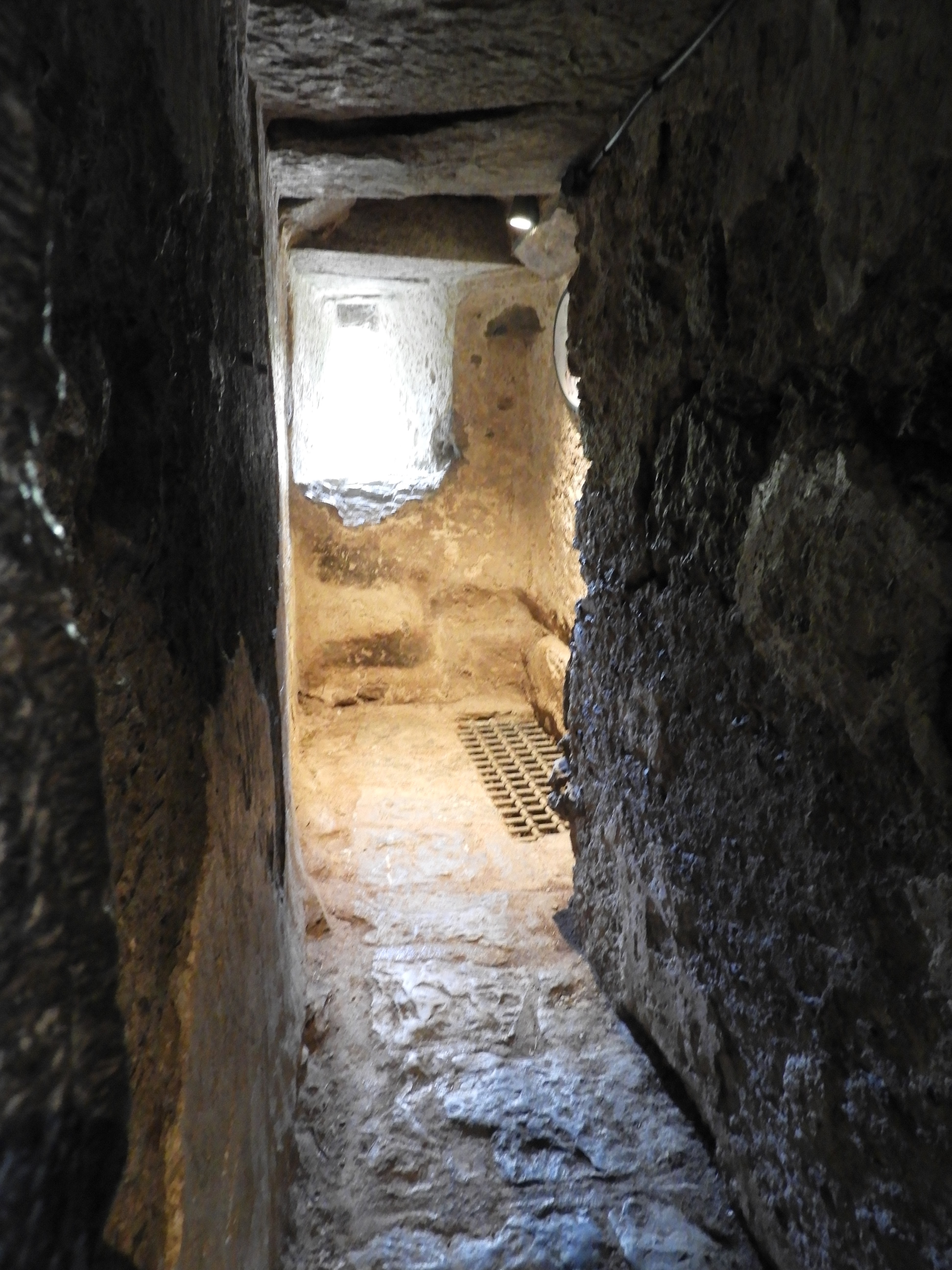
The castle also has some extensive gardens and woodland walks and is home to the more recent Blarney House which is also open to the public but here are some images of the castle itself.
Monday, 16 October 2023
Blarney Castle
This was another part of our visit to Ireland back in July. Blarney Castle, near Cork, can trace its history back to around 1200 although the current keep dates to the mid 15th century. It has been the centre of conflict, changed hands several times, been damaged, restored and then partially neglected. It is perhaps though best known as home to the Blarney stone, a stone with supposed mythical powers of eloquence bestowed upon those who kiss it. There are many stories of the stones' origin which are largely fantasy tales but it serves as a good tourist attraction and generates a good queue of people willing to lie on their back and lean backwards over the battlement to give it a kiss. Kind of weird really but having gone all the way there I did it as well! For the ladies though its not advisable to go in a skirt, it can be a bit undignified!
Monday, 9 October 2023
Sidmouth
Sidmouth, on the Devon coast, is a small resort that I had previously visited only briefly. We headed there last week for a short break to take in more of the area. Surrounding areas are linked back to Saxon times and Sidmouth itself is probably older. A lot of the town as it is today though is clearly Victorian. Quaint streets are largely pedestrianised and run on to a seafront walk that has red jurassic sandstone cliffs at either end. We were blessed with unseasonally warm weather which helped make our stay a relaxing getaway.
The church within the town is worth a visit. A little unassuming from the outside the inside has some very nice features.
On the western end of the seafront are Connaught Gardens which are well worth a look
Saturday, 2 September 2023
Concrete Barges - Rainham
It seems hard to get a full story regarding these barges. They are of reinforced concrete construction and date to World War 2. They are Tank Lighters, commonly used for carrying fuel or water and it is likely they were constructed as support vessels for the D-Day landings of 1944 but it seems that they were not robust enough and were never used as part of the landings fleet.
The barges were war surplus and were towed here in 1953 and sunk to shore up the estuary flood defences which had been damaged by severe storms and have remained there ever since.
There are 16 barges on the shore line and visibilty depends on tide level which was quite high when I visited today on the way home from Hornchurch but you still get a good idea of what remains of these historic vessels.
Rock of Cashel
The Rock of Cashel is in County Tipperary, Ireland. It was the traditional home of the Kings of Munster prior to the Norman invasion but in 1101 the fortress on the rock was gifted to the church. Little remains from this time although the round tower does date to around this period. Other building work was spread over subsequent years, notably the cathedral betweem 1235 and 1270.
During the Irish Confederate Wars Cashel was sacked by English Parliamentary troops and less then 100 years later, in a much critisized move, the Archbishop of Cashel destroyed the cathedral roof. This naturally led to further decline but today Cashel is a National Monument of Ireland and a very popular tourist attraction, with good reason as we saw last month.
Subscribe to:
Posts (Atom)