 |
 |
 |
 |
 |
 |
 |
 |
 |
 |
 |
 |
 |
 |
 |
|
|
|
|
|
|
|
|
|
|
|
|
|
|
|
Restenneth Priory is located just outside the town of Forfar. It is largely a ruin that is free to enter. Much of the church dates to the 1200s although some of the surviving masonry dates to the 1100s. It is likely that there may have been an ancient Pictish church on the site built around 710.
The area was caught up in the Wars of Independence in the late 1200s and early 1300s and Restenneth Priory suffered badly, being seriously damaged by fire. After the Battle of Bannockburn in 1314, Robert the Bruce provided for the rebuilding of the Priory. The result appears to have been on a grander scale than previously and, in particular, included the surviving spire.
In 1327 Robert the Bruce buried his infant son John at Restenneth. The Priory then continued to receive support during the reign of David II, John's brother, but spent much of the 1400s in a state of decline. The last prior was appointed in 1490. After the Reformation Restenneth and its lands were granted to the Home family although the nave of the priory church continued to act as the parish church for Forfar until 1591. Subsequently the ownership of Restenneth Priory passed through various hands over the centuries. It was damaged by the troops who set up camp there during the 1745 uprising, and spent much of the 1800s as accommodation for livestock. It was eventually transferred into state care in 1919, and is now looked after by Historic Environment Scotland and as we were only 15 minutes away last month we went for a look.


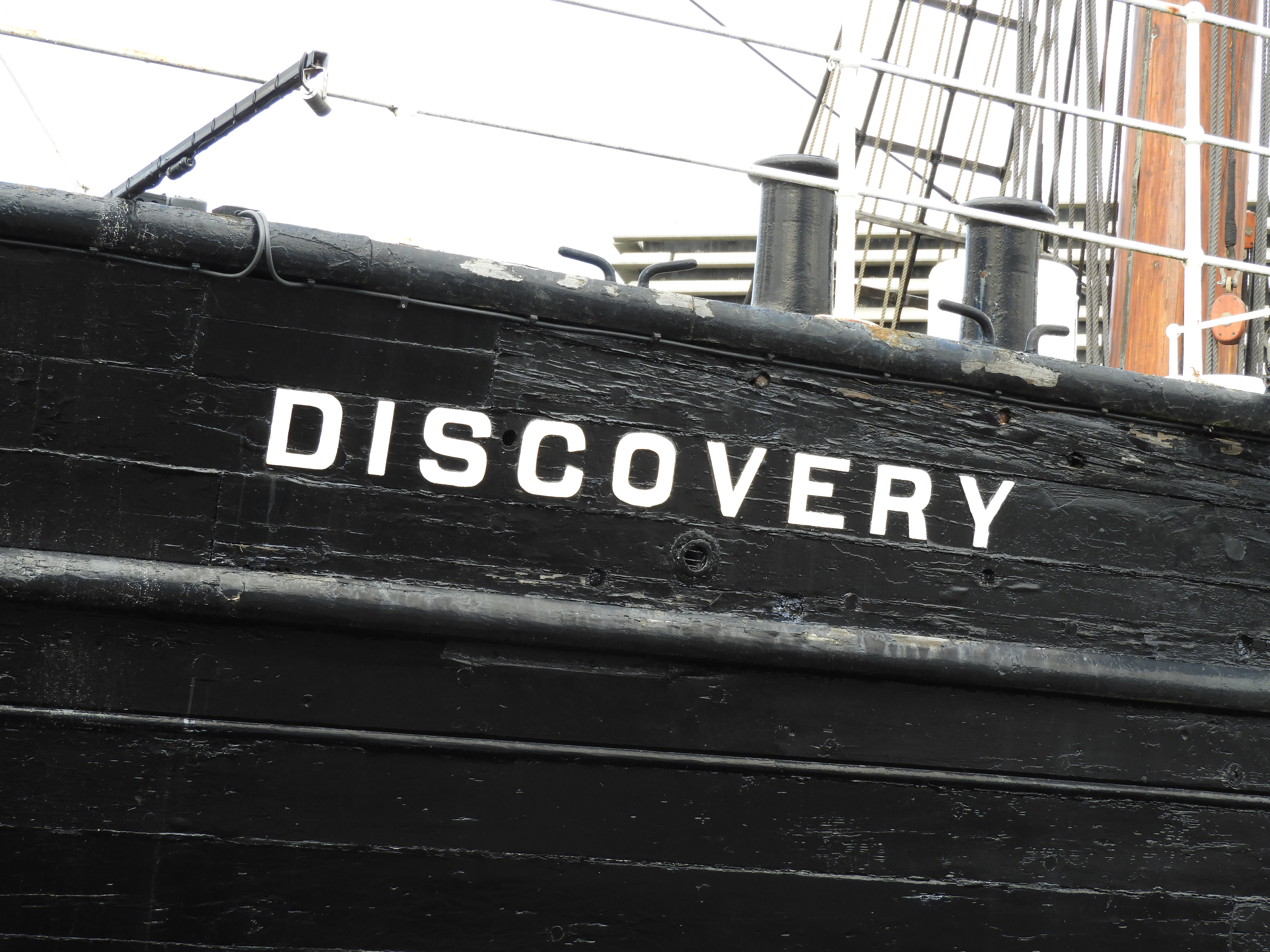
The Discovery was a rigged steamship purpose built for Antarctic surveys and was the last traditional three masted ship built in the UK. Building was undertaken in Dundee and the ship launched in 1901. On her first mission she carried Robert Scott and Ernest Shackleton to the Antarctic. During this expedition the Discovery got stuck on an ice shelf and was frozen in for two years and was at the point of being abandoned when help and a shift in the ice shelf allowed her to break free.
After returning to the UK Discovery was sold to the Hudson Bay Company in 1905 and entered service as a cargo ship for the next 7 years. After a lay up further cargo work continued, including carrying munitions in WWI and the assisting the white Russians in the Russian civil war. Becoming outdated Discovery was then laid up before, in 1922, becoming home to the Stepney Sea Scouts.
The end was not yet in sight as the following year the Hudson Bay Company sold Discovery to the British Colonial Office and in 1924 she underwent a major refit at Vosper and Co before heading to the Southern Ocean investigating whale populations. Further expeditions were carried in conjunction with Australia and New Zealand before Discovery returned to London in 1931. The ship then sat idle for 5 years until being handed to the Sea Scouts as a training ship.
In WWII Discovery was a depot ship for the River Emergency Services, a network of First Aid Stations. Unfortunately, during the war her boilers and engines were removed and sold.
In the 50's the ship was returned to the Admiralty as a drill and training ship for the Volunteer reserve and Cadets until eventually passing to the Maritime Trust in 1979 which saved her from being scrapped as there had been plans to use her for target practice until a public outcry. After a period as a public museum Discovery was transferred to the Dundee Heritage Trust and returned to the place of her birth for the first time since the original launch.
Placed in a custom-built dock in 1992, Discovery is now the centrepiece of Dundee's visitor attraction Discovery Point, displayed in a configuration as near as possible to her 1923 state, when she was refitted in the Vosper yard. We visited a week or so ago and found the ship, its history and displays a fascinating experience. Here are a few pictures from the day.
 |
 |
 |
 |
 |
 |
 |
 |
 |
 |
 |
 |
 |
 |
 |
 |
 |
 |
